
Who We Are
Dedicated Compassion, Professional Standards.
Our organization provides a critical safety net for the biodiverse region of East Tennessee, operating a state-of-the-art rehabilitation facility staffed by certified wildlife experts, licensed veterinary technicians, and compassionate volunteers. We are deeply committed to ensuring that the care provided goes far beyond basic first aid; it encompasses meticulous diagnostic procedures, complex surgical interventions, long-term physical therapy, and specialized psychological conditioning necessary to prepare animals for the immense challenges of survival in the wild. The core of our operation is built on transparent protocols and ethical practices, strictly adhering to all state and federal guidelines governing wildlife handling and care, which guarantees that our efforts are not only effective but also legally and morally sound. We are immensely proud of our reputation for credibility and professionalism, maintaining detailed records of every animal’s journey from intake to release and constantly working to integrate the newest advancements in veterinary medicine and behavioral science into our daily operations to achieve the highest possible rehabilitation success rates for the varied species we serve.
Our Story
From a Single Vision to a Community-Wide Lifeline.
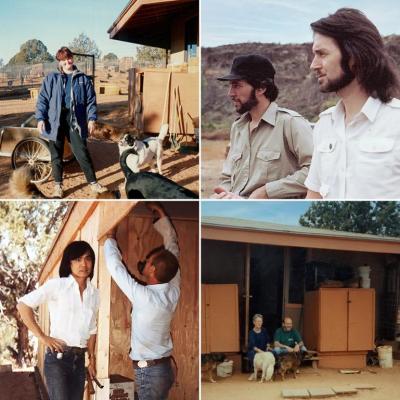
Wildlife Rescue of East Tennessee was born out of a profound and urgent recognition that the increasing encroachment of human development into natural habitats was creating a mounting crisis for local wildlife, and there was a significant lack of resources dedicated to the professional care of these injured and displaced animals. Our founders, a small group of highly passionate veterinarians and licensed rehabilitators, initially operated out of a modest, purpose-built garage facility in 2010, relying entirely on personal funds and a shared desire to bridge this critical gap in animal welfare. They started small, treating common local species like songbirds and opossums, but the immediate and overwhelming demand from the community quickly demonstrated the vital need for a more structured and substantial organization, prompting the official establishment of WRET as a non-profit entity and the beginning of our ambitious journey toward expansion.

What We Do
Comprehensive Care from Emergency Response to Wild Release.
The essence of our work is a meticulously structured, multi-stage process designed to maximize the chances of a successful and enduring return to the wild for every animal under our care. This process begins the moment an animal is reported in distress, triggering our 24/7 response team to rapidly assess the situation, safely capture and secure the animal using low-stress techniques, and transport it immediately to our medical triage center for stabilization. Upon arrival, the animal undergoes a thorough examination by our on-site veterinary staff, which includes diagnostic imaging, blood work, and immediate treatment for shock, pain, and injury, laying the crucial foundation for their long-term recovery journey. The immediate goal is stabilization and the development of an individualized rehabilitation plan, considering the species’ specific nutritional, medical, and behavioral requirements, which can range from orthopedic surgery for fractures to intensive fluid therapy for dehydration, ensuring all critical needs are addressed with professional urgency.
Our Mission
Compass that guides every rescue
Vision
A Future Where Wildlife and Humans Flourish in Harmony.
Our vision for the future is to establish Wildlife Rescue of East Tennessee as the leading regional authority and resource center for wildlife conservation, renowned not only for our exemplary rehabilitation success but also for our transformative influence on public perception and behavior toward native animals. We aspire to expand our current facility significantly, incorporating specialized, non-public viewing habitats and advanced medical wings that can accommodate the growing number of large and specialized species requiring our assistance, allowing us to increase our annual patient capacity by over fifty percent within the next five years. Furthermore, we envision establishing a formal, accredited internship and residency program for aspiring veterinary and wildlife professionals, leveraging our expertise to train the next generation of highly qualified rehabilitators and ensuring that the high standards of ethical and medical care we uphold will continue far into the future, creating a lasting legacy of compassionate conservation across the entire southeastern United States.

Values
Compassion, Integrity, Professionalism, and Ecological Responsibility.
The four pillars of our organization’s operation—compassion, integrity, professionalism, and ecological responsibility—define our every action and decision, creating a framework of ethical and effective care that governs our interactions with animals, the public, and our partners. Compassion drives us to treat every patient, regardless of species or prognosis, with the same level of gentle care and respect, ensuring their physical comfort and emotional security throughout the rehabilitation process, minimizing stress at all costs. Integrity mandates that all our financial dealings, medical records, and public reporting are transparent and honest, fostering trust within the community and among donors who rely on our truthful stewardship of resources dedicated to this critical mission. Professionalism requires that our team is continuously engaged in ongoing training, staying current with veterinary science, and collaborating with specialists, ensuring we apply evidence-based best practices in all aspects of rescue and care. Finally, ecological responsibility focuses our efforts entirely on release, ensuring that our interventions actively support the health and balance of the natural environment itself.

Impact
Measurable Contributions to Biodiversity and Public Safety.
The profound impact of WRET is quantified by our measurable contributions to both local biodiversity and public safety, proving that dedicated human intervention can successfully reverse the negative trends affecting regional wildlife populations. Our annual reporting consistently highlights a high percentage of successfully treated and released animals, providing concrete data that demonstrates the stabilization and reinforcement of threatened populations across various species classifications, including crucial bat colonies and vulnerable migratory birds. Beyond the ecological statistics, our impact on public safety and well-being is significant, as we provide a safe, expert resource for citizens who encounter sick or dangerous animals, preventing inappropriate or potentially harmful DIY rescue attempts and ensuring animals are handled by professionals trained to minimize zoonotic disease risk. Our educational materials, distributed across schools and community centers, directly translate into reduced conflicts, fewer animal casualties, and a more informed, empowered citizenry actively participating in the ethos of conservation and respectful coexistence.
Our Team
The Heart of Our Operation: Dedicated Wildlife Specialists.

Dr. Elias Thorne, Director of Veterinary Medicine & Rehabilitation
Dr. Thorne is the clinical cornerstone of WRET, bringing over twenty years of experience as a veterinarian specializing exclusively in exotic and native North American wildlife species, holding both a Doctorate of Veterinary Medicine and a Ph.D. in Comparative Animal Anatomy. His extensive training, which includes a fellowship at a major national wildlife research center, allows him to perform complex orthopedic surgeries and innovative medical treatments tailored specifically for wild animals, ensuring the delicate balance between necessary intervention and maintaining the animal’s natural integrity. His philosophy is one of minimal, targeted intervention, utilizing the most advanced diagnostics to create treatment plans that facilitate the fastest, most effective return to self-sufficiency, and he is deeply involved in mentoring every staff member on best practices for everything from fracture stabilization in raptors to critical care for neonatal fawns. Dr. Thorne’s commitment is absolute, often spending his nights supervising critical patients, driven by the belief that every life holds inherent value and deserves a chance to return to the freedom of the wild.

Sarah Chen, Emergency Response Coordinator & Licensed Rehabilitator
As our Emergency Response Coordinator, Sarah Chen is the crucial first point of contact and is responsible for managing our 24/7 rescue operations, a role that demands exceptional calm under pressure and encyclopedic knowledge of regional wildlife behavior and handling protocols. Sarah has been a licensed wildlife rehabilitator for fifteen years and holds certifications in Animal Capture and Chemical Immobilization, ensuring the safest possible rescue of animals in challenging environments, such as high-traffic roadways or complex urban settings. Her work requires her to coordinate a network of over fifty volunteer transporters and first responders, providing immediate guidance to the public over the phone and dispatching teams with rapid efficiency, often making split-second decisions that directly impact an animal’s survivability. Sarah’s empathetic approach, honed over years of emotionally challenging rescue work, is balanced by her rigorous dedication to safety and established procedures, making her an indispensable leader who trains the entire team to prioritize both human safety and the reduction of stress and suffering for the animal patient.

Michael McDonald, Lead Education & Outreach Specialist
Michael McDonald, affectionately known as Mac, is the dynamic force behind WRET’s extensive public education initiatives, channeling his passion for conservation and a Master’s degree in Environmental Science into engaging and impactful community programs. Mac designs and leads all our public workshops, school assemblies, and corporate environmental responsibility seminars, translating complex ecological concepts and rehabilitation science into accessible, family-friendly lessons that resonate with diverse audiences. He is a firm believer that preventing injury is just as important as treating it, and his signature approach involves using interactive demonstrations and positive messaging to promote constructive human-wildlife coexistence, effectively addressing common misconceptions about local species like snakes, coyotes, and bats. His tireless efforts in the community have significantly increased the public’s confidence in identifying and safely reporting distressed animals, and his ability to communicate complex information with warmth and humor ensures that WRET’s educational philosophy reaches thousands of residents annually, strengthening our community roots and deepening regional appreciation for nature.

Jessica Rodriguez, Animal Husbandry & Volunteer Manager
Jessica Rodriguez is the organizational backbone of the facility, managing all aspects of animal husbandry—including specialized dietary needs, enclosure maintenance, and enrichment programs—while simultaneously overseeing the vital efforts of our expansive team of dedicated volunteers. With a background in zookeeping and captive wildlife management, Jessica’s expertise is crucial for ensuring that every recovering animal’s habitat closely mimics its natural environment, minimizing the stress of captivity and actively fostering the development of natural behaviors critical for a successful release. She is responsible for the intricate scheduling, training, and coordination of volunteers, ensuring they are placed in roles that match their skills and that they strictly adhere to the non-negotiable protocols for hygiene and minimal human contact with the patients, effectively managing a large group of passionate individuals with fairness and rigorous adherence to best practices. Jessica’s meticulous attention to detail and her ability to foster a supportive and effective volunteer community are paramount to the facility’s smooth operation, allowing the medical and rescue teams to focus entirely on specialized care.
Our Work
Three Pillars of Compassionate Conservation.
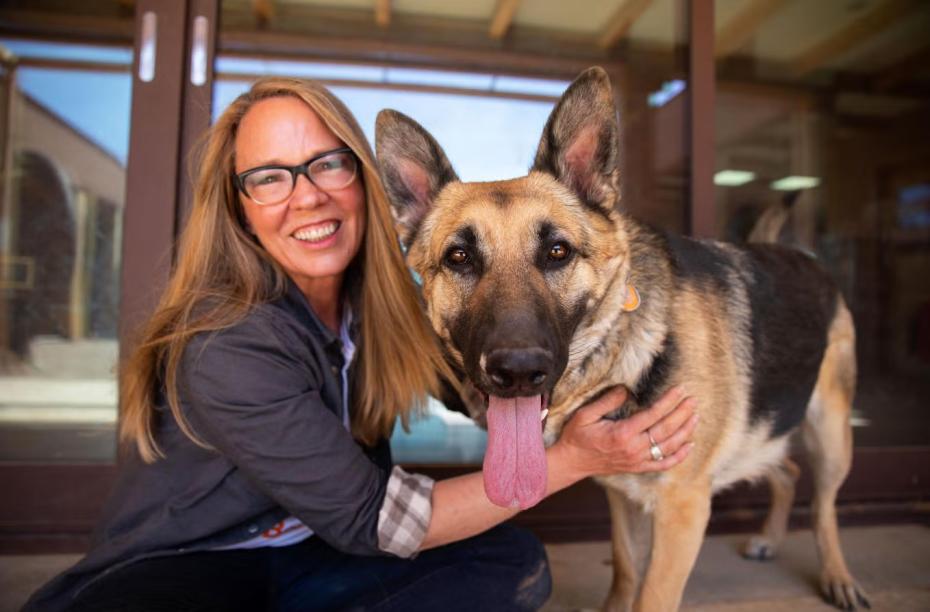
Conservation Education
Empowering the Community to Coexist Responsibly.
Our commitment to conservation education is an active, ongoing effort designed to be the preventative solution that reduces the number of animals that ever need our rescue services, transforming the public into informed partners in our mission. This comprehensive program utilizes both digital resources and in-person instruction to cover a wide spectrum of essential topics, including how to “critter-proof” homes without using harmful traps, the importance of keeping pets contained during high-risk seasons, and the vital difference between a truly orphaned baby animal and one that is simply waiting for its parent to return. We deliver presentations to civic organizations, scout troops, and colleges, emphasizing the ecological necessity of species often misunderstood or feared, such as black vultures or copperhead snakes, promoting respect rather than eradication as the primary response to perceived wildlife issues. By providing clear, actionable guidelines on safe and responsible human behavior around wildlife, we cultivate a culture of thoughtful interaction throughout East Tennessee, fundamentally changing the dynamic between urban and wild spaces for the long-term benefit of local biodiversity and the overall health of the environment we all share.
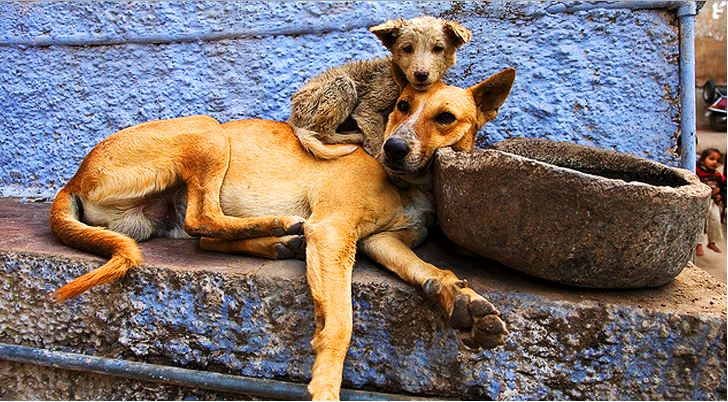
Emergency Rescue & Intake
Rapid, Professional Response, 24 Hours a Day.
The emergency rescue and intake protocol is the most critical and time-sensitive aspect of WRET’s operation, demanding immediate mobilization and flawless execution to save animals from life-threatening situations, whether they involve vehicle trauma, entanglement, or toxic exposure. This process is initiated the second a call is received on our 24/7 hotline, where our coordinator quickly gathers essential details and provides immediate, life-saving instructions to the caller while simultaneously dispatching the nearest trained response team to the scene with specialized capture equipment, often including nets, specialized handling gloves, and transport carriers. Once secured, the animal is immediately brought to our intake center where the veterinary team performs rapid triage, assessing vital signs, administering pain management, and treating for shock, prioritizing stabilization above all else before any deeper diagnostic work can begin. The intake process involves documenting the exact circumstances of the injury and the location of the rescue, data that is crucial not only for the animal’s medical chart but also for our ongoing research into patterns of human-wildlife conflict, allowing us to proactively target our educational and preventative efforts in high-risk zones.
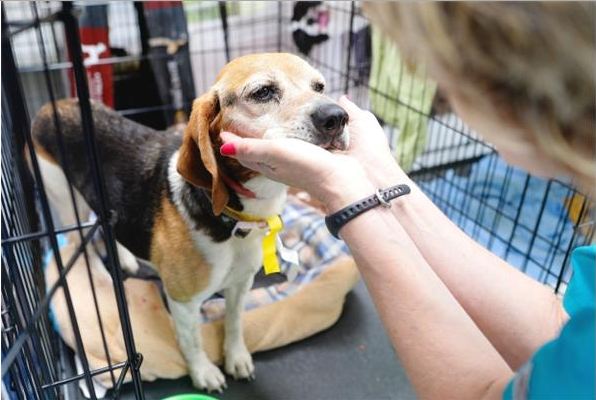
Expert Veterinary Rehabilitation
Tailored Medical and Behavioral Pathways to Freedom.
Our expert veterinary rehabilitation phase is a rigorous, highly individualized treatment regimen that utilizes modern medicine and behavioral science to ensure the animal is not only physically healed but also mentally prepared for survival in the wild. Following stabilization, patients enter specialized recovery wards where they receive precise medical care, which may include pinning broken bones, treating severe infections, or long-term medication administration, all while meticulously minimizing sensory input that could cause undue stress or habituation to humans. The second half of the rehab process, known as conditioning, involves progressively challenging the animal in large, naturalized outdoor enclosures where they must successfully hunt, forage, avoid perceived threats, and demonstrate robust strength and endurance, essentially graduating through a series of increasingly difficult wilderness simulations. This conditioning phase is non-negotiable and continues until our specialists are fully confident that the animal has retained or reacquired all the complex, innate behaviors necessary to navigate its wild home successfully, representing our unwavering commitment to the animal’s long-term welfare, not just a temporary fix.
Programs/Services
Specialized Care, Outreach, and Community Training.
WRET maintains distinct rehabilitation programs and dedicated facilities tailored to the unique physiological and behavioral needs of the diverse species native to East Tennessee, ensuring that every patient receives the most appropriate and effective care possible. Our Avian Program handles everything from hummingbirds to bald eagles, featuring large flight cages specifically designed to allow recovering birds to rebuild flight muscle strength and navigational skills before release, utilizing specialized diets rich in species-appropriate proteins and micronutrients. The Mammal Program manages patients ranging from orphaned fox kits and beaver babies to large species like deer and bears, requiring separate, secure outdoor enclosures and strict quarantine protocols to prevent imprinting and the spread of zoonotic diseases, with a strong focus on minimal human contact and fostering natural predator-avoidance behaviors. Our Herptile Program provides careful, temperature-controlled rehabilitation for reptiles and amphibians, utilizing specialized UV lighting and humidity controls necessary for their healing, demonstrating our expansive commitment to the full spectrum of local wildlife, ensuring that no species in need is overlooked simply due to its complexity or size.
Community & Engagement
Fostering a Network of Support and Coexistence.
The success of Wildlife Rescue of East Tennessee depends profoundly on the informed and active participation of the public, which serves as our eyes and ears in the field, making every resident a critical component of our comprehensive rescue network. We encourage public involvement through the dissemination of clear, easily accessible information on our website and in community centers, detailing precisely how to determine if an animal truly needs intervention—a process that often involves observing from a distance for an extended period—and providing the direct line to our 24/7 emergency response team. Beyond reporting, public involvement extends to active participation in coexistence, teaching neighbors and family members simple, effective changes like securing garbage cans, trimming low-hanging branches, and keeping cats indoors, all preventative measures that dramatically reduce the instances of injury and conflict that strain our resources. By adopting these responsible practices, the community is directly partnering with us, ensuring that our rescue efforts are focused on unavoidable crises and that local wildlife has the best possible chance to survive and thrive without constant human interference.
Testimonials
Stories of Compassion and the Joy of Return.
Our Volunteer
Your Time is a Lifeline for East Tennessee Wildlife.
Why Volunteer
Contributing to Real-World Conservation and Lifesaving Work.
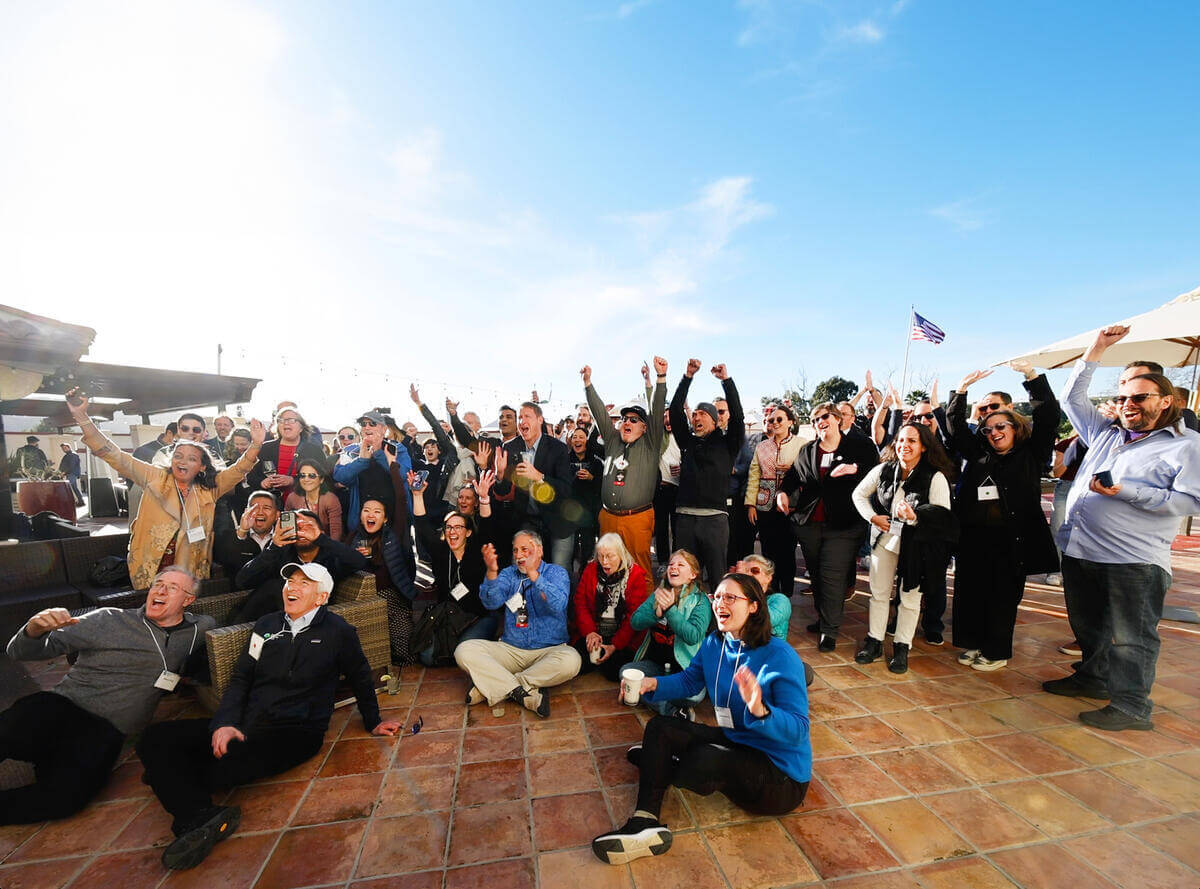
Volunteering with Wildlife Rescue of East Tennessee offers a profoundly unique and meaningful opportunity to contribute directly to tangible conservation outcomes, moving beyond simple advocacy to actively participate in the critical, hands-on work of saving vulnerable lives and restoring natural ecosystems. We offer a chance to work alongside highly credentialed veterinary professionals and licensed rehabilitators, providing an unparalleled learning experience for anyone passionate about animal care, environmental science, or non-profit management, with opportunities to gain expertise in specialized feeding, facility maintenance, and behavioral observation. Volunteers quickly become indispensable members of our dedicated team, sharing in the emotional highs of a successful release and understanding that their time and effort directly translate into the survival of countless local animals that would otherwise perish without intervention. This is not just a chance to fill time; it is an opportunity to join a vital, urgent mission that requires commitment, compassion, and a professional adherence to the strict protocols necessary to ensure our patients remain wild and successfully return to their native habitat.
Ways to Help
Diverse Roles for Every Skill and Schedule.
We offer a wide variety of volunteer roles designed to accommodate different skills, schedules, and levels of comfort with direct animal care, ensuring that every individual who commits their time can make a significant, measurable impact on our daily operations. One of the most essential roles is that of the Volunteer Animal Care Technician, assisting staff with enclosure cleaning, diet preparation, and laundry, which is absolutely critical for maintaining the high standards of hygiene necessary to prevent disease and support recovery, requiring a high level of dedication and meticulous attention to detail. For those who prefer to be on the road, our Emergency Transport Team volunteers provide crucial support by driving rescued animals from the reporting location to our Kingsport facility, often requiring a flexible schedule and a willingness to respond quickly to urgent calls across the region. We also rely heavily on Administrative and Outreach Volunteers who help with data entry, fundraising coordination, and staffing our educational booths at community events, ensuring that the critical operational and public awareness needs of the organization are met with the same professionalism as our animal care.

Impact of Volunteering
From a Helping Hand to a Successful Release.
The impact of your volunteer time is immediately felt and directly contributes to our core mission of rescue and rehabilitation, with every hour of your effort translating into improved outcomes for the animals in our care and a greater capacity to serve the community. For every hour an Animal Care Technician spends meticulously cleaning an enclosure or preparing a specialized meal, a licensed rehabilitator is freed up to monitor a critical patient, administer medication, or consult with a veterinarian on a complex case, effectively multiplying the effectiveness of our professional staff and expanding our ability to take in new patients. The dedication of the Transport Team ensures that critical time is not wasted during an emergency, often meaning the difference between life and death for an injured creature by reducing the time it takes to receive medical stabilization. In short, your commitment directly enables the successful completion of the rehabilitation process: a healthy, strong, and prepared animal is released back into the wild, a monumental victory that is only possible because of the compassionate commitment of our entire volunteer network, making your service an essential lifeline for East Tennessee wildlife.
FAQ’s
Addressing Your Most Pressing Questions.
How do I properly report an injured or orphaned animal to WRET, and what is the process after I make the call?
When you encounter an animal that appears injured, sick, or orphaned, the absolute first step is to immediately call the WRET 24/7 emergency hotline, and under no circumstances should you attempt to capture or handle the animal without speaking to our trained specialists, who will guide you through the initial, crucial steps. Our coordinator will ask you a series of detailed questions regarding the animal’s species, the exact location, the nature of the injury or distress, and any immediate threats in the environment, which is vital for assessing the risk and determining the appropriate response protocol. After gathering the necessary information, they will either dispatch a trained emergency rescue team to your location, if the situation is urgent and dangerous, or they will guide you on the safest way to contain the animal until a volunteer transport can arrive, emphasizing techniques that prioritize minimizing stress and avoiding habituation before the animal is quickly and professionally brought to our Kingsport rehabilitation facility for immediate veterinary triage.
What safety precautions should I take before WRET arrives, and how can I determine if a young animal truly needs rescuing?
It is paramount that citizens prioritize their own safety and the safety of the animal by maintaining a respectful distance and avoiding all physical contact while waiting for our team, as even the smallest wild animal, when injured or frightened, may bite or scratch, and handling wildlife poses the risk of zoonotic disease transmission. Determining if a young animal is truly orphaned is a critical step, as many healthy young, like fawns and rabbits, are naturally left alone for long periods while their parents forage, and intervening prematurely is considered “kidnapping” which negatively affects their chances of survival. Our specialists advise that unless an animal is visibly bleeding, has been clearly attacked by a cat or dog, is lethargic, or is surrounded by deceased siblings, the best practice is to observe it from afar for several hours and only intervene by calling us if its condition significantly deteriorates or if a parent does not return by a designated time frame.
What is WRET’s average rehabilitation success rate, and what factors most contribute to a successful return to the wild?
WRET maintains meticulous records and is proud of our consistently high rehabilitation success rate, which varies slightly depending on the severity of injuries and the species involved, but generally sits well above industry standards due to our specialized medical expertise and rigorous pre-release conditioning protocols. The most significant contributing factor to a successful return to the wild is the animal’s lack of habituation to humans; this is why our facility strictly adheres to a policy of minimal, controlled human contact, ensuring the animal retains its natural fear and survival instincts, which is non-negotiable for release. Other key factors include the promptness of the initial rescue, the quality of species-appropriate nutrition administered, and the animal’s physical recovery in our naturalized, complex flight and conditioning enclosures where they must successfully demonstrate hunting, foraging, and predator avoidance skills over a sustained period before they receive final clearance.
How does WRET manage the highly specialized and diverse dietary requirements of the various animals under your care?
Managing the nutritional needs of hundreds of diverse wildlife patients—ranging from insectivorous bats to herbivorous deer and carnivorous raptors—is one of the most complex and expensive aspects of our operation, requiring meticulous diet preparation and specialized knowledge from our animal husbandry team. Our food preparation facility adheres to strict sanitary standards, and all meals are precisely formulated using veterinary-approved species-specific diets, often including live prey for predators, specialized fruits and seeds for birds, and complex nutrient-rich formulas for orphaned mammals that require round-the-clock tube or bottle feeding to ensure proper development. The goal is always to transition animals onto a diet that perfectly mirrors what they would be consuming in the wild before release, which ensures they are both physically strong and psychologically ready to secure their own food sources immediately upon their successful return to nature.
What are WRET’s operational hours for receiving animals and what is the best time for the public to call for non-emergency inquiries?
While our emergency response team operates on a continuous, 24-hour, 7-days-a-week schedule, prepared to immediately triage and accept critically injured animals at any hour of the day or night, our administrative and non-emergency phone lines are staffed during standard business hours, typically from 9:00 AM to 5:00 PM, Monday through Friday. If you have a general inquiry about volunteering, making a donation, scheduling an educational workshop, or reporting an animal that is not in immediate life-threatening danger, we kindly request that you call during these hours to ensure that our emergency lines remain clear for genuine, time-critical situations that demand the immediate attention of our on-site medical staff. We are not open to the public for casual drop-in visits, as maintaining a quiet, low-stress environment is paramount to the successful recovery of our patients, but we welcome visitors during our pre-scheduled, supervised special activity and open house events.
What are the most effective ways for homeowners and the public to safely coexist with local wildlife and prevent conflicts that lead to injury?
The most effective way for homeowners to foster safe coexistence and prevent conflicts that necessitate our intervention is by taking several simple, yet crucial, preventative steps to eliminate sources of attraction and injury around their properties, thereby establishing clear boundaries between human and wild spaces. This includes strictly securing all garbage cans with locking lids to prevent animals like raccoons and bears from accessing human food, which can lead to dependence and boldness, and ensuring that pet food is never left outdoors, especially at night, as it attracts larger predators to residential areas. Homeowners should also cap their chimneys, securely screen their vents, and trim trees away from the roofline to prevent animals like squirrels, bats, and birds from nesting in attics or garages, which often results in them becoming trapped or injured. By proactively addressing these common attractants and entry points, the community can significantly reduce the number of preventable wildlife incidents, creating a safer environment for both their families and the native species that share our East Tennessee landscape.

Full Contact Details:
Address: 3407 MEMORIAL BLVD, KINGSPORT, TN 37664
Email: info@wlret.site
Contact Us
Connect with Wildlife Rescue of East Tennessee.
For all Wildlife Emergencies Only—meaning an animal is visibly injured, trapped, or orphaned—please call our dedicated 24/7 hotline immediately for expert guidance and dispatching of a rescue team, as rapid response is critical to ensuring the best outcome for the animal, and this line is monitored around the clock by trained professionals. For all administrative inquiries, including questions about volunteering, donations, educational workshops, or general information regarding our organization, we kindly request that you utilize the designated email address or call our main office line during standard business hours, which allows us to maintain the readiness of the emergency line for time-sensitive situations that directly impact patient care. We are committed to responding to all non-emergency communications within one business day, providing detailed answers and assistance to ensure that your experience connecting with WRET is as informative and helpful as possible, as your engagement is a critical component of our ongoing success and mission fulfillment across the region.
Join Us
Become a Professional Lifeline for Wildlife.
Wildlife Rescue of East Tennessee offers challenging and immensely rewarding career opportunities for highly skilled professionals who are deeply committed to animal welfare, conservation science, and the highest standards of veterinary and rehabilitation medicine, providing a unique environment for specialized growth. We periodically seek to fill highly specialized positions, including Licensed Wildlife Rehabilitators who possess the necessary state and federal permits and years of hands-on experience, Veterinary Technicians with critical care and exotic species experience, and Environmental Education Specialists with a proven track record of developing and delivering impactful public programs. Our team environment is one of relentless pursuit of excellence, collaborative problem-solving, and continuous learning, as we are constantly integrating the latest scientific research into our protocols to achieve the best possible outcomes for our patients, offering a career path where your passion for conservation directly translates into quantifiable, lifesaving impact. We are committed to ethical hiring practices and seek diverse candidates who bring not only credentials but also an unwavering commitment to the compassionate, professional handling of wildlife in crisis.

Individuals interested in pursuing a career with Wildlife Rescue of East Tennessee should begin by thoroughly reviewing the detailed job descriptions posted on our official careers page, ensuring that their professional qualifications, specialized experience, and deep personal commitment align perfectly with the rigorous requirements of the advertised position. Our application process requires the submission of a comprehensive resume and a detailed cover letter that specifically addresses how the candidate’s experience aligns with our mission of 24/7 emergency response, expert rehabilitation, and public education, allowing us to gauge not only professional skill but also cultural fit.